Our second cohort of DRI Knowledge Exchange Fellows
On July 1, 2026, CAKE’s second cohort of KE Fellows will start their twelve months term!
We are looking forward to see how their projects will develop over the coming year.
Tobias Ramalho dos Santos Ferreira
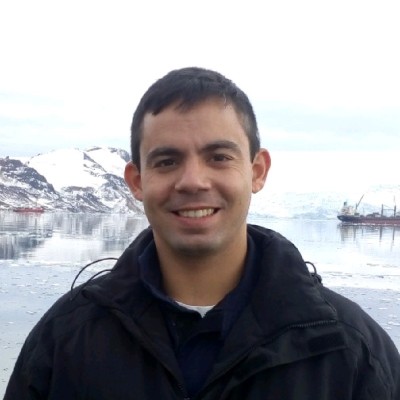
Cloud-Native Geospatial Workflows for FAIR Environmental Data
This fellowship will develop a practical knowledge exchange pathway to help the UK geospatial digital research infrastructure community move from download-based, institution-specific workflows towards cloud-native, FAIR and reusable approaches for large environmental datasets. Through Carpentries-style training, cross-institutional workshops and best-practice guidance, the project will support researchers, RSEs, data managers and infrastructure providers in adopting scalable workflows based on technologies such as Zarr, object storage and distributed analysis. Building on UK collaborations and selected international exchange with Brazilian partners, the fellowship will help capture and share practical recommendations for making environmental data easier to discover, access, combine and reuse.
Marco Campenni

Building Data and Coding Literacy in Business Education
This project aims to promote coding, data analysis, and digital literacy among undergraduate business and management students through the development of an accessible, practice-oriented learning programme centred on the use of R.
Saranjeet Kaur Bhogal
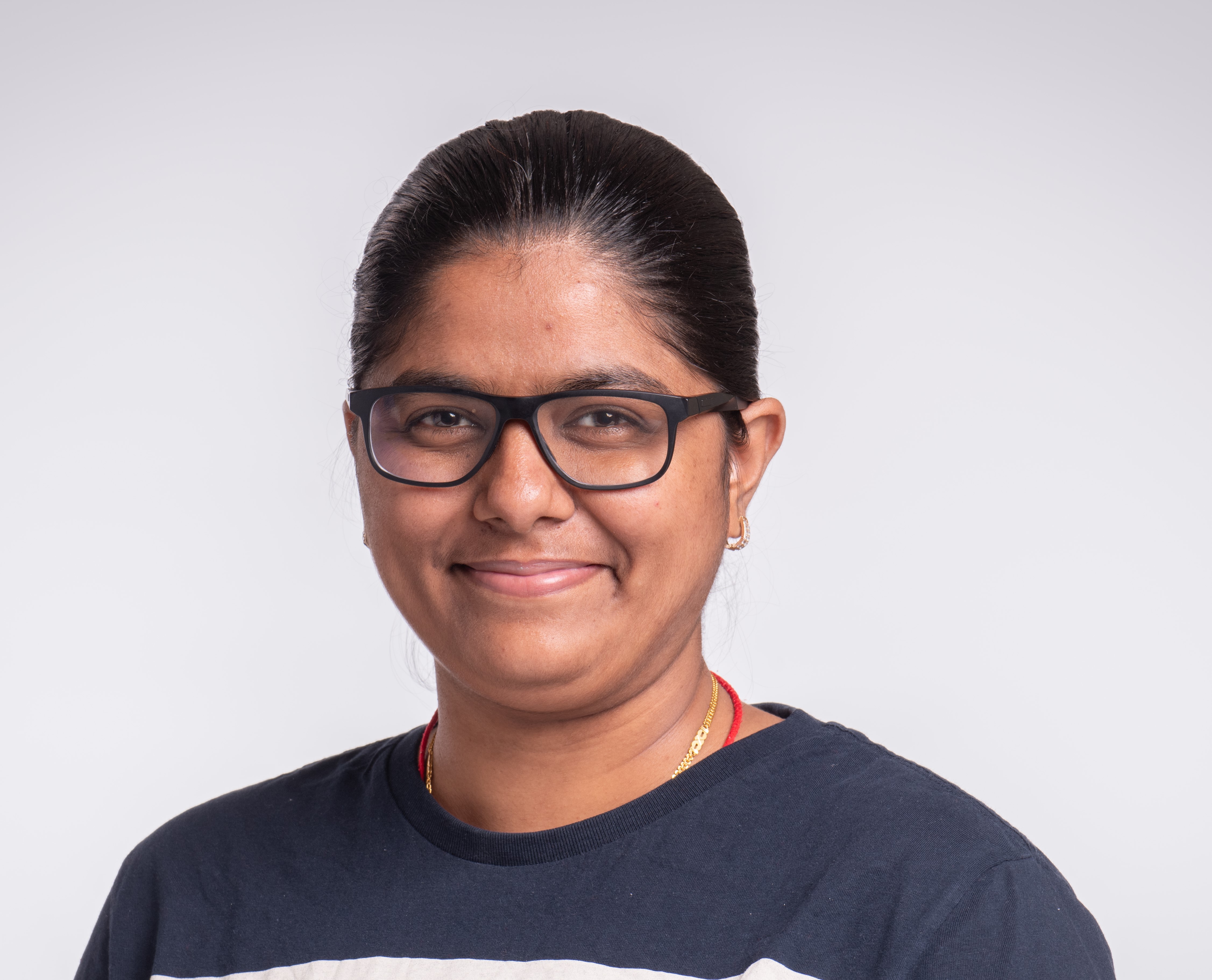
Research Software Auditing: Knowledge exchange in the age of AI-assisted programming
The adoption of AI-assisted programming tools is changing how researchers develop research software. Many code editors now integrate AI tools directly into coding workflows, lowering the barrier to producing software quickly. However, researchers who use these tools may not always have the expertise to critically assess the quality, efficiency, reproducibility, or sustainability of AI-assisted code. The aim of this fellowship is to develop a framework called “research software auditing” focused specifically on AI-assisted research software. This idea emerged from round-table discussions on “GenAI competency/ skills matrix and gap analysis in research software” at the Digital Research Infrastructure (DRI) Retreat 2026. The fellowship will explore how this challenge can be addressed by embedding lightweight auditing and guidance into the existing researcher support workflows.
Raquel Manzano
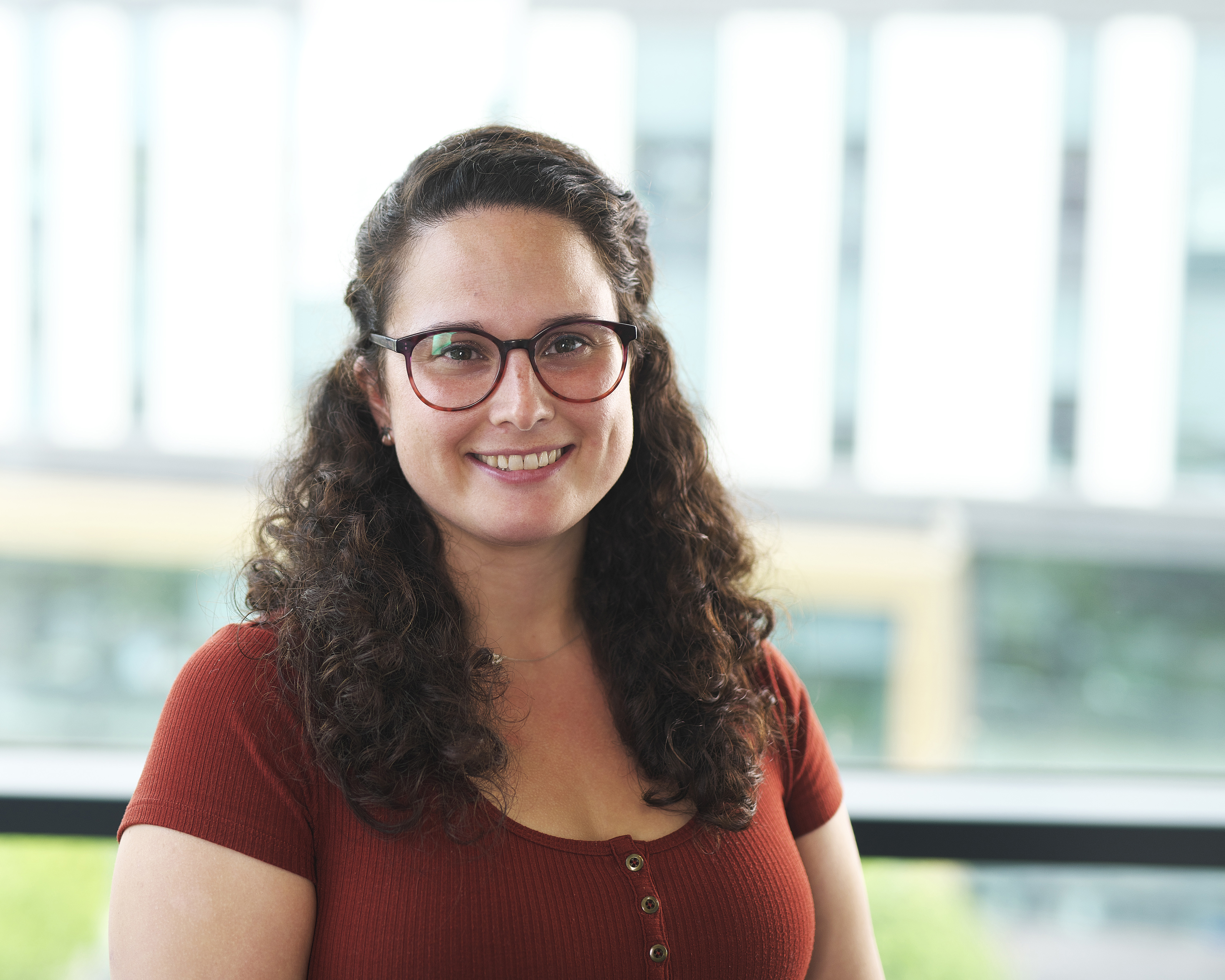
Responsible Generative AI in Biomedical Research: A practical knowledge-exchange toolkit for safe AI use around human and sensitive data
This fellowship will identify how generative AI is being used in biomedical research, where misconceptions or uncertainty remain, and what support researchers and research-support staff actually need. We will use these findings to develop, deliver and evaluate practical training, decision tools and reusable guidance for safer and more standardised AI use across the wider DRI community.
Connor Aird
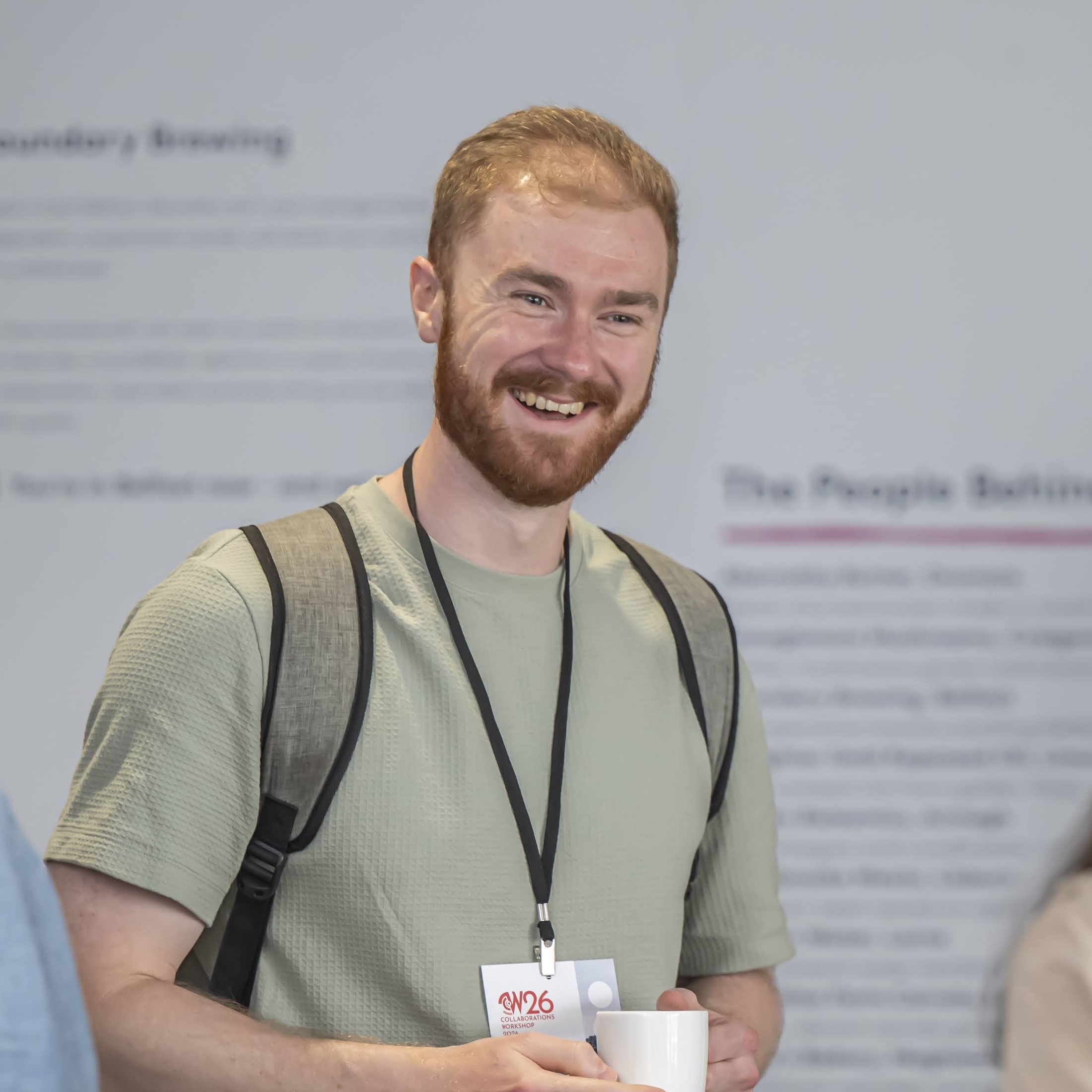
Improving software sustainability and testing practices within the Fortran research software community
Fortran research software underpins much of the UK’s scientific computing infrastructure, yet key software engineering practices such as unit testing are not widely adopted across the community. Although tools such as pFUnit exist, awareness and uptake remain limited. Through this fellowship, I will develop and deliver workshops to introduce Fortran developers to unit testing and demonstrate how these tools can be applied in practice. Feedback from these workshops, alongside broader community engagement, will help identify gaps in existing tools and guide future improvements to the Fortran ecosystem, strengthening the sustainability and reliability of Fortran research software.
Mashy Green
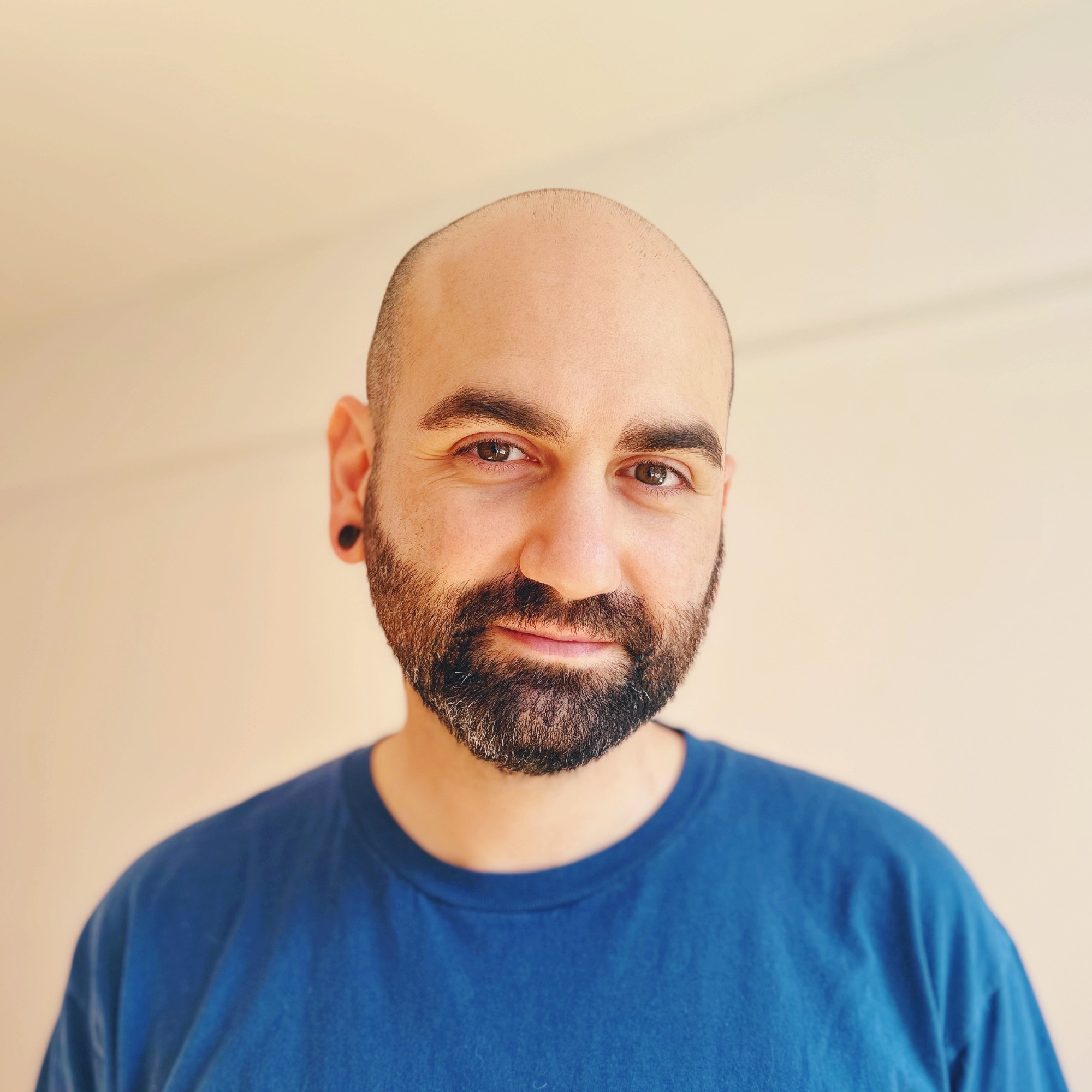
DRMeX: a digital research methodological knowledge exchange framework
This fellowship aims to develop DRMeX, a digital research methodological knowledge exchange framework for digital research technology professionals (dRTPs). dRTPs often work across disciplinary boundaries, where a wide range of distinct computational methodologies are employed. By stripping away the science, DRMeX will focus on how methods such as numerical analysis, signal processing, agent-based modelling and automatic differentiation work at a high level, rather than what they are used for in any one field. Through accessible dRTP-led sessions supported by interactive notebooks, the fellowship will help build a shared methodological vocabulary, encourage cross-fertilisation of ideas across domains, and create new opportunities for dRTP-led research.